Keeping Your Empty Home Winter-Ready: A Seller's Essential Guide
Preparing Your Empty Home for Winter: A Seller's Guide
Selling a vacant property during the colder months? Here's what every homeowner needs to know to protect their investment and keep buyers interested — straight from your local property experts.
Leaving a home empty while it sits on the market is never entirely stress-free, but when winter arrives, the stakes rise considerably. Frozen pipes, damp creeping into corners, a neglected garden, and a boiler that hasn't been touched in weeks — these are the kinds of issues that can quietly erode both your property's condition and its appeal to potential buyers.
At Stapleton Derby, we work with vendors in exactly this situation every year. The good news? With a little forward planning, your vacant property can sail through the winter months in great shape — and still make a brilliant first impression when buyers come to view. Here's our practical guide to making that happen.
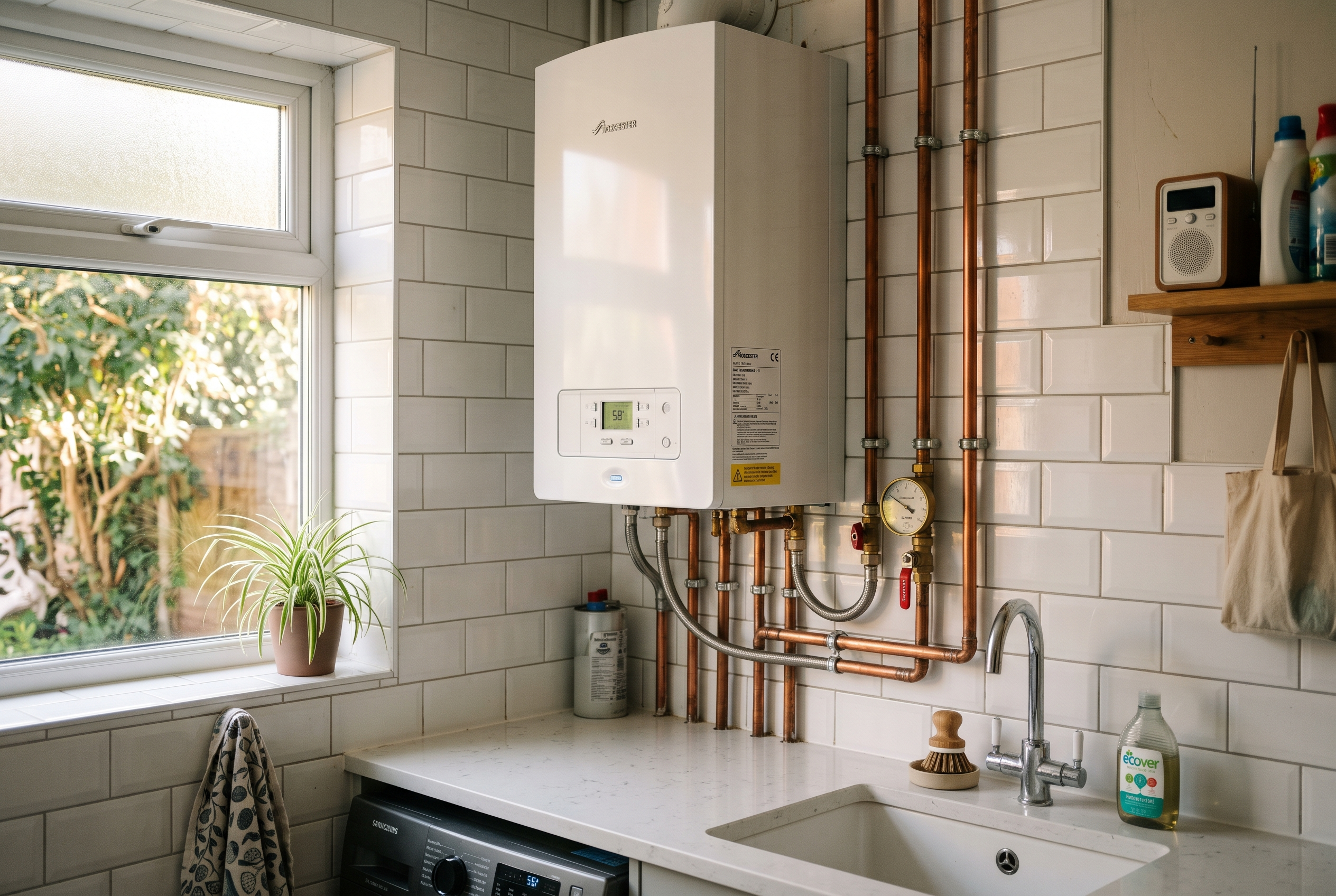
Don't Neglect the Boiler — It's Your Number One Priority
If there is one single piece of advice we give every vendor with an empty property, it's this: do not switch the boiler off and forget about it.
It's a surprisingly common mistake. Sellers assume that with nobody living in the property, there's no need to run the heating — and it will save money on energy bills. In reality, a completely cold, unheated home in winter is a recipe for burst pipes, frost damage, and expensive repair bills that could delay or even derail your sale.
Keep the Heating Ticking Over
Set your boiler's thermostat to a minimum of 10–12°C and leave it running continuously throughout the winter period. This is often called "frost protection mode" and many modern boilers have a dedicated setting for it. It uses very little energy but keeps the internal temperature just high enough to prevent pipes from freezing.
Service the Boiler Before You Leave
If your boiler hasn't been serviced recently, arrange for a Gas Safe registered engineer to check it over before the property is left vacant. The last thing you want is for the boiler to break down mid-winter with no one there to notice — leaving the property exposed to freezing temperatures for days or even weeks.
Check the Timer and Controls
Make sure the boiler's timer and thermostat controls are functioning correctly and set appropriately. If you have a smart thermostat, even better — you can monitor and adjust the temperature remotely from your phone, giving you real peace of mind without having to make regular trips to the property.
Know Where the Stopcock Is
In the event that a pipe does freeze or burst, you'll want to be able to act quickly. Make sure you — and anyone else with access to the property — knows exactly where the main stopcock is located so the water supply can be shut off immediately if needed.
Frost and Pipe Protection
Even with the heating running at a low level, there are additional steps worth taking to protect your pipework during a cold snap.
Insulate exposed pipes — particularly those in loft spaces, garages, or external walls. Pipe lagging is inexpensive and straightforward to fit.
Leave loft hatches slightly ajar — this allows a little warm air to circulate into the loft space, where pipes are often most vulnerable to frost.
Drain down the system if the property will be truly unoccupied for an extended period — if you're going to be away for several weeks and can't monitor the property, a plumber can drain the central heating system and water supply entirely, removing the risk of frost damage altogether. This is a more drastic step but can be the right call in certain circumstances.
Check external taps and hoses — disconnect garden hoses and, where possible, turn off and drain any outdoor tap supplies.
Security: Don't Advertise That Nobody's Home
An empty property is, unfortunately, more attractive to opportunistic thieves and vandals than an occupied one. A few sensible precautions can significantly reduce the risk.
Make It Look Lived In
Use plug-in timer switches on lamps inside the property so that lights come on in the evenings — a simple but effective deterrent.
Avoid leaving obvious signs of vacancy visible from the street, such as a completely bare interior or piles of post building up behind the door.
Redirect your post using Royal Mail's redirection service if you haven't already done so.
Physical Security
Ensure all locks, bolts, and window catches are in good working order before you leave.
Consider fitting a visible alarm box if one isn't already present — even a dummy box acts as a deterrent.
If the property has a side gate or rear access, make sure it is securely locked.
Let a trusted neighbour know the property is empty and ask them to keep an eye out. A quick phone call costs nothing and can be invaluable.
Insurance Considerations
Important: Many standard home insurance policies have clauses that limit or void cover if a property is left unoccupied for more than 30 or 60 days. Check your policy carefully and, if necessary, speak to your insurer about switching to a specialist unoccupied property insurance policy for the duration of the sale.
Kerb Appeal and Viewability: Winter Is No Excuse to Let Standards Slip
Buyers don't stop looking in winter — in fact, motivated buyers who are actively searching during the colder months are often very serious about purchasing. Your property needs to be ready to impress at short notice.
Keep on Top of the Garden
A neglected front garden is one of the first things buyers notice, and it creates an immediate (and unfair) impression about the rest of the property. During winter, this means:
Clearing fallen leaves regularly from paths, driveways, and lawns.
Trimming back any overgrown shrubs or hedges that are encroaching on pathways or blocking light to windows.
Treating pathways and steps with salt or sand during icy spells — both for safety during viewings and to show the property is being cared for.
Keeping the lawn tidy — even if it's not growing much, a quick rake and tidy makes a significant difference.
Lighting Matters More in Winter
With shorter days, there's a real chance that viewing appointments will take place in low light or even after dark. Make sure:
External lights are working — replace any blown bulbs promptly.
Internal lights all have working bulbs throughout the property.
Consider leaving a couple of lamps on inside during scheduled viewings to create a warm, welcoming atmosphere even on a grey afternoon.
Keep It Clean and Aired
Even if the property is empty, arrange for a periodic clean — ideally every few weeks. Dust, cobwebs, and stale air accumulate quickly in unoccupied homes and can make a poor impression during viewings. A clean, fresh-smelling property signals to buyers that it has been well looked after.
Ventilation and Damp Prevention
Damp is one of the most common — and most off-putting — problems that can develop in an empty property, and winter conditions make it more likely. Condensation builds up when warm, moist air meets cold surfaces, and with no one living in the property to ventilate it naturally, the risk increases.
Practical Steps to Prevent Damp
Leave internal doors open throughout the property to allow air to circulate freely between rooms.
Open trickle vents on windows (the small ventilation slots at the top of the frame) to allow a continuous flow of fresh air without leaving windows open.
Place moisture-absorbing products — such as dehumidifier crystals or small electric dehumidifiers — in rooms that are particularly prone to condensation, such as bathrooms, kitchens, and rooms with north-facing walls.
Check the property regularly — ideally every one to two weeks — and look for early signs of damp, such as condensation on windows, water staining on walls or ceilings, or a musty smell. Catching problems early is far cheaper than dealing with them once they've taken hold.
Ensure extractor fans are working in the bathroom and kitchen, and that any vents are clear and unobstructed.
Check the Roof and Gutters
Autumn leaves and winter debris can quickly block gutters, causing water to overflow and run down external walls — a leading cause of damp penetration. If you haven't already done so, have the gutters cleared before the worst of the winter weather arrives, and check that downpipes are flowing freely.
A Quick Winter Checklist for Vacant Properties
To make it easy, here's a summary of the key actions to take before leaving your property empty this winter:
Set the boiler to frost protection mode (10–12°C minimum) and have it serviced.
Insulate any exposed pipework, particularly in the loft.
Know where the stopcock is and ensure others with access do too.
Redirect your post and set timer switches on interior lamps.
Check all locks, window catches, and access points are secure.
Review your home insurance policy for unoccupied property clauses.
Clear gutters and treat pathways for ice.
Leave internal doors open and trickle vents ajar for ventilation.
Place moisture absorbers in vulnerable rooms.
Arrange regular visits to the property — every one to two weeks is ideal.
We're Here to Help
Selling a vacant property requires a little extra thought, but it absolutely doesn't have to be a source of worry. At Stapleton Derby, we take a proactive approach to supporting our vendors throughout the entire sales process — including the practical realities of managing an empty home.
If you have a property on the market with us and you have any concerns about how it's holding up this winter, please don't hesitate to get in touch. We're always happy to advise, and in many cases we can help coordinate access or recommend trusted local tradespeople to assist with maintenance.
We have branches across the area ready to help:
St Helens 📞 01744 883322 ✉️ st.helens@stapletonderby.co.uk
Rainford 📞 01744 889999 ✉️ rainford@stapletonderby.co.uk
Rainhill 📞 0151 430 0717 ✉️ rainhill@stapletonderby.co.uk
Or visit us at www.stapletonderby.co.uk
We're here Monday to Friday 9am–5pm (4pm on Fridays) and Saturday 9am–12pm.
Your home is in safe hands — let's get it sold.
Selling your home is a big decision — and you deserve an agent who treats it that way. At Stapleton Derby, we're here to make the process as smooth, transparent, and successful as possible. Let's get started.