Selling Your Home: Smart Improvements vs. Wasted Money
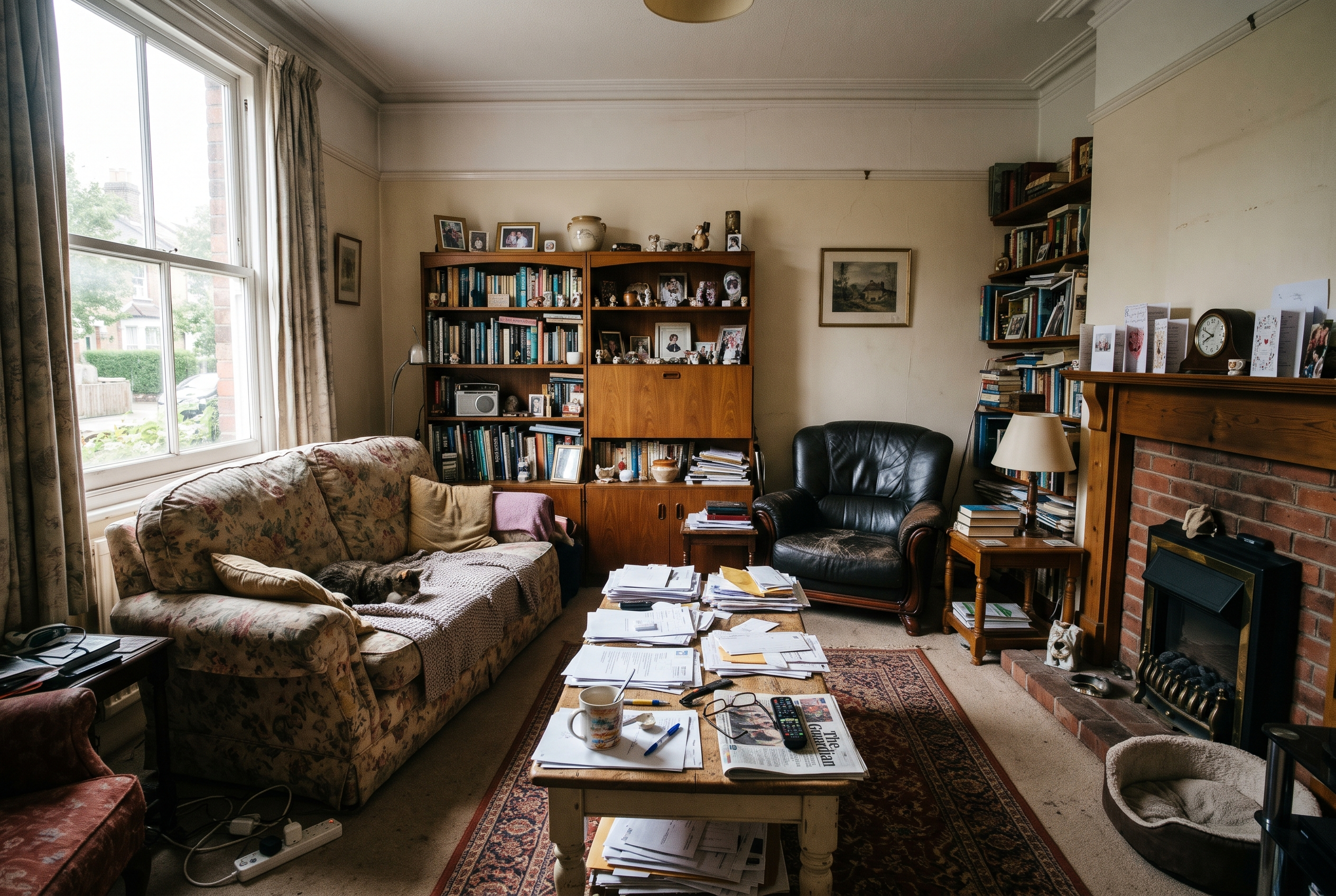
How to Prepare Your Home for Sale: Do Nothing vs. Smart Improvements
Honest advice for Stapleton Derby homeowners who want to sell well — without wasting time or money
If you're thinking about selling your home, there's a good chance you've already had that moment. You look around your living room and suddenly see it differently — the scuff on the skirting board you stopped noticing years ago, the garden that's a little rough around the edges, the bathroom that's perfectly functional but not exactly Pinterest-worthy.
And then the questions start. Do I need to redecorate? Should I replace the kitchen? Will buyers judge me for the dated tiles?
Here's the honest answer: sometimes yes, sometimes no, and quite often — it depends.
At Stapleton Derby, we've walked through hundreds of homes across the village and surrounding areas. We've seen sellers spend thousands on improvements that made no difference to the final sale price, and we've seen others make a handful of small changes that genuinely transformed buyer interest. This guide is about helping you tell the difference.
The "Sell As-Seen" Option: When It Makes Sense (and When It Costs You)
Let's start with something most agents won't say plainly: selling your home exactly as it is right now is a perfectly valid option. There are situations where it genuinely makes sense.
When selling as-seen works in your favour
You're selling to the investor or developer market. If your home needs significant structural work or is in need of full modernisation, buyers in this bracket expect to take it on as a project. Spending money on cosmetic improvements won't change their offer — they're pricing in their own vision.
The local market is moving quickly. In a strong seller's market, motivated buyers are less precious about presentation. They know what they want and they'll look past imperfections to secure the right property.
You genuinely don't have the time, budget, or capacity. Life doesn't always allow for preparation. If you're dealing with a bereavement, a job move, or simply need to get on with things, selling as-seen is a legitimate and respectable choice.
The home is already well-presented. If you've kept on top of maintenance and the property is clean, tidy, and in good condition, you may not need to do anything at all.
When selling as-seen costs you money
The problems arise when sellers assume that buyers will see past things that are, in reality, putting people off. The truth is that most buyers are making an emotional decision first and a rational one second.
If a buyer walks in and immediately starts mentally adding up the work they'd need to do, they're no longer imagining themselves living there. They're calculating risk. And that calculation tends to come off your asking price.
A home that feels unloved — even if it's structurally sound — will attract lower offers, longer time on the market, and more fall-throughs. That's the honest trade-off.
First Impressions That Actually Matter to Buyers
Not all first impressions are equal. Here's where buyers genuinely make up their minds — and where they don't.
The things that really matter
The front of the property. Before a buyer even steps through your door, they've already formed an opinion. A tired front door, overgrown path, or cluttered driveway sets a tone that's hard to shake. Conversely, a tidy exterior signals that the home has been cared for — and that feeling carries through the entire viewing.
The smell. This one is uncomfortable to talk about, but it matters enormously. Pet odours, damp, cigarette smoke, or even heavy cooking smells can derail a viewing within seconds. Buyers won't always mention it — they'll just feel uneasy and not know why.
The entrance hall. This is the first interior space a buyer sees, and it sets the expectation for everything that follows. A cluttered, dark, or cramped hallway makes the whole house feel smaller. A clear, clean, well-lit entrance does the opposite.
Natural light. Buyers consistently respond to light. Open curtains fully, clean windows inside and out, and if a room feels dark, consider whether a lamp or two would make a meaningful difference.
General cleanliness and tidiness. This sounds obvious, but it's worth saying: a clean home feels cared for. Buyers aren't just buying bricks and mortar — they're buying into the idea that this home has been looked after.
The things buyers care less about than you think
Dated but functional kitchens and bathrooms. Buyers know they can update these. What they can't easily fix is poor layout, damp, or structural issues. A clean, tidy, older kitchen rarely loses a sale on its own.
Your taste in décor. Bold wallpaper or an unusual colour scheme might not be to everyone's taste, but most buyers can see past it. What they struggle to see past is dirt, clutter, or neglect.
Minor cosmetic imperfections. A small crack in a ceiling, a slightly worn carpet in the bedroom, a dated light fitting — these things rarely move the needle on price if everything else feels right.
Quick Wins That Deliver Real ROI
If you're going to invest time or money in preparing your home, focus on the improvements that genuinely pay for themselves. Based on what we see working in the market, here's where your effort is best spent.
Kerb appeal
Repaint or refresh the front door. This is one of the highest-impact, lowest-cost improvements you can make. A fresh coat of paint in a classic colour (navy, sage, black, or a warm grey) can transform the front of a property for under £50.
Tidy the garden and driveway. Cut the grass, pull the weeds, sweep the path, and remove anything that doesn't need to be there. This takes an afternoon and costs nothing.
Add a pot plant or two. A couple of well-placed planters by the front door add warmth and life. It sounds small — but buyers notice.
Inside the home
Declutter every room. This is the single most impactful thing most sellers can do, and it costs nothing but time. Fewer items in a room make it feel larger, lighter, and easier for buyers to imagine their own belongings in the space.
Deep clean throughout. Kitchens and bathrooms in particular. If you don't have the time or inclination, a professional deep clean costs a few hundred pounds and is almost always worth it.
Touch up paintwork. You don't need to redecorate the whole house. Simply touching up scuffs, marks, and tired patches — particularly in hallways and on skirting boards — makes a home feel fresher without major expense.
Fix the obvious niggles. A dripping tap, a stiff door handle, a broken light fitting. These small things are cheap to fix, but if left unattended, they plant seeds of doubt in a buyer's mind about what else might have been neglected.
Maximise light. Clean windows, open blinds, replace any blown bulbs, and add lamps to darker corners. Light sells homes.
What's generally not worth doing
Full kitchen or bathroom replacements. Unless yours is genuinely unusable, a complete refit rarely adds as much value as it costs. Buyers often prefer to choose their own finishes anyway.
Major redecoration in bold or neutral tones. Repainting every room in magnolia is unlikely to add value and takes significant time and money. Focus your effort elsewhere.
Landscaping or major garden work. A tidy, well-maintained garden is important. An elaborate redesign is not.
The Psychology of Buyer Perception
Understanding how buyers think is one of the most useful things a seller can do — and it's something we talk about with almost every vendor we work with.
Here's the key insight: buyers make emotional decisions and then justify them rationally.
A buyer who falls in love with a home will find reasons to proceed. A buyer who feels uncertain — even if they can't quite articulate why — will find reasons to hesitate, negotiate harder, or walk away.
That feeling of uncertainty is almost always triggered by one of two things: the sense that the home hasn't been cared for, or the mental calculation of how much work they'd need to do.
This is why presentation matters even when the bones of a property are excellent. A well-maintained, thoughtfully presented home gives buyers permission to feel excited. It removes the mental friction that leads to lower offers and longer negotiations.
The goal isn't to deceive buyers — it's to help them see your home at its best. There's a meaningful difference between hiding problems and presenting your home in a way that's clean, tidy, and welcoming.
It's also worth remembering that buyers are often viewing multiple properties in a short space of time. The homes that stick in their memory — the ones they call their agent about on the drive home — are almost always the ones that felt right from the moment they arrived.
How to Think Like a Buyer When Preparing Your Home
One of the most practical things you can do before your property goes on the market is to try, genuinely, to see it through a stranger's eyes. Here's how.
Walk in through the front door as if for the first time
Go outside, close the door behind you, and approach your home as a buyer would. What do you notice? What's the first thing your eye is drawn to? Is it welcoming, or is there something that gives you pause?
Take photographs on your phone
Cameras are brutally honest. A room that looks fine in person can look cluttered or dark in a photograph — and photographs are how most buyers will first encounter your home online. If something looks off in a photo, it's worth addressing.
Ask an honest friend
Not someone who'll tell you what you want to hear — someone who'll tell you what they actually notice. Ask them to walk through your home and give you their honest first impressions. It can feel uncomfortable, but it's invaluable.
Make a list, then prioritise ruthlessly
Write down everything you think might need attention, then go through the list and ask yourself honestly: will this make a meaningful difference to a buyer's experience? Focus your energy on the things that will — and let go of the things that won't.
Talk to your agent before you start spending
This is genuinely important. A good local agent will tell you — honestly — what the market in St Helens is responding to right now, what buyers in your price range typically expect, and where your money is best spent. That conversation could save you thousands.
A Final Word
Preparing your home for sale doesn't have to be overwhelming, and it certainly doesn't have to mean a complete overhaul. In most cases, the difference between a home that sells quickly and confidently and one that sits on the market comes down to a handful of well-chosen improvements — and a clear-eyed understanding of what buyers actually care about.
The honest truth is that there's no single right answer. Some sellers are best served by selling as-seen. Others will see a meaningful return from a few days of focused effort. The key is making that decision with good information rather than anxiety or guesswork.
If you're thinking about selling in St Helens or Liverpool and you'd like a straight-talking conversation about what your home needs — and what it doesn't — we'd love to help. We're not here to prescribe a lengthy to-do list. We're here to help you make the right call for your circumstances.
Get in Touch with Your Local Stapleton Derby Team
We have branches across the area ready to help:
St Helens 📞 01744 883322 ✉️ st.helens@stapletonderby.co.uk
Rainford 📞 01744 889999 ✉️ rainford@stapletonderby.co.uk
Rainhill 📞 0151 430 0717 ✉️ rainhill@stapletonderby.co.uk
Or visit us at www.stapletonderby.co.uk
We're here Monday to Friday 9am–5pm (4pm on Fridays) and Saturday 9am–12pm.